

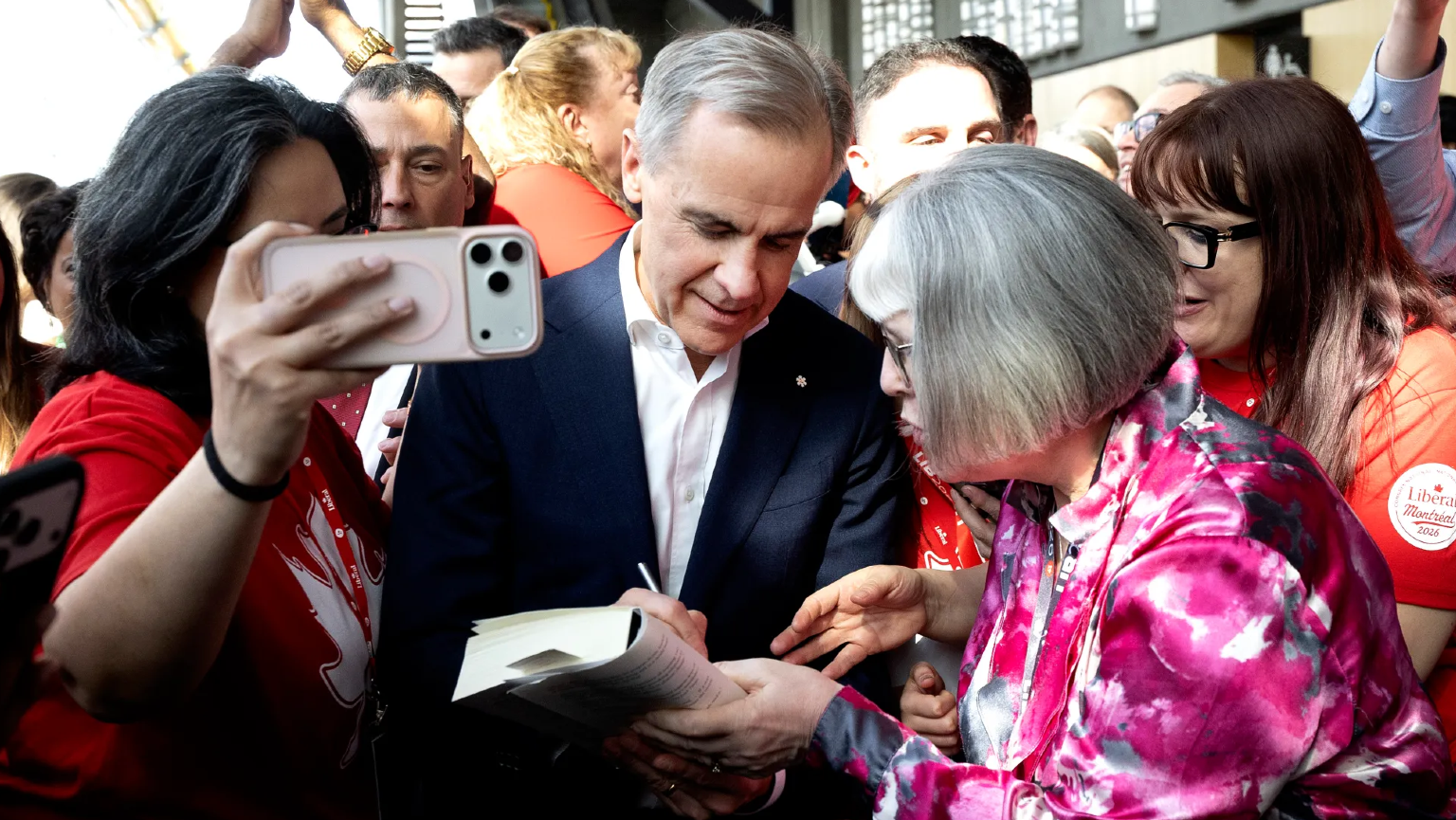
It has become a political rite of passage for many former prime ministers, cabinet ministers and party leaders after they leave office — writing a book.
According to political scientist and Acadia University professor Alex Marland, their motivations vary. Some want to explain or, in some cases, defend their records. Others hope to offer insight into how government really works. A powerful motivator? Preserving their version of events before others write the story for them.
The publication of Stephen J. Harper’s latest book, Here for Canada, is part of a longstanding tradition that stretches across the political spectrum and around the world.
Books offer something few interviews or speeches can: complete control over the narrative in the first-person voice.
Marland says many political memoirs can be an attempt to “set the frame” and shape how leaders are remembered. They provide an opportunity to explain decisions, respond to critics and tell personal stories that don’t fit into daily political coverage.

Politicians often devote significant page space to family histories and childhood experiences that influenced their world view. In Harper’s new book, for example, Marland notes there are photographs and stories from his early life, including details about his childhood home.
Unlike speeches or media interviews, books allow former leaders to delve into policy decisions, relationships and regrets in thousands of words.
“They really like talking about their family, their parents and growing up,” Marland says. “Writing a book is really a way to honour their memory.”
He says that impulse can be both personal and political as writing a memoir can be nostalgic. It’s a chance to slow down and reflect on defining moments and preserve memories.
At the same time, it also allows them to advance their preferred interpretation of history which Marland says is particularly true for prime ministers.
“Every prime minister is setting the record straight,” Marland says, noting that such accounts are inevitably one-sided. “It still is a tremendous source of information.”
Historians and academics like him treat such books as valuable but imperfect records. Any claims in a political memoir should not necessarily be relied on without corroboration.
Still, the books can provide insights that might otherwise be lost.
“Canada has had relatively few prime ministers, and opportunities to hear them reflect at length on their time in office are rare,” Marland notes. “Unlike speeches or media interviews, books allow former leaders to delve into policy decisions, relationships and regrets in thousands of words.”
Sometimes that means acknowledging mistakes. Marland points to passages in Harper’s book where the former prime minister revisits past decisions and reflects on policies that, in hindsight, he believes deserved a different approach.
“The prime minister is the busiest person in all of Canada,” Marland adds, “These are incredibly important books.”
Here For Canada is out now.
Related Reads
•Canadian prime ministers’ book club
•Read an exclusive excerpt of former prime minister Stephen Harper’s latest book Here For Canada in the National Post ↗
Buy the book
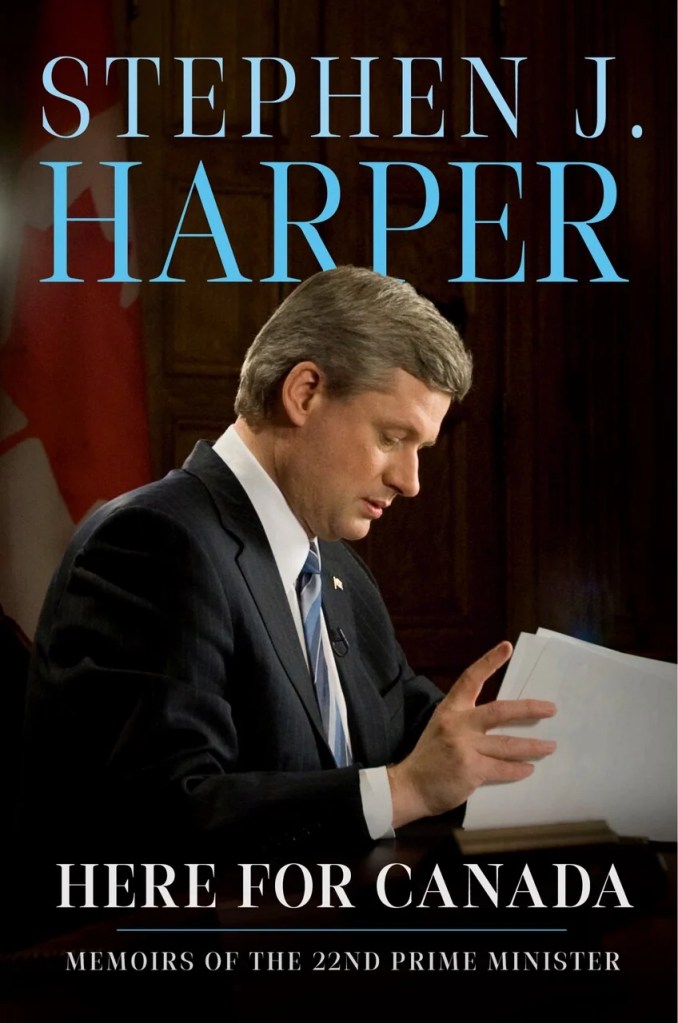
Here for Canada: Memoirs of the 22nd Prime Minister
By Stephen J. Harper
A behind-the-scenes account of his nearly decade-long tenure as Canada’s prime minister
We independently select everything we recommend. Buying through us may earn us a commission, which supports our work. Prices and availability are subject to change after publication.